Collaborative Law Solicitors
“Pauline, Chantelle and team were very helpful and supportive during the whole process. They worked quickly and efficiently to achieve the final outcome of my divorce and closure of joint assets. The process, explainations and communication were very clear and concise which also helped keep costs manageable. I would highly recommend using Purcell for family and divorce legal matters.” – Review Solicitors
How we can help
Our Directors are fully trained in collaborative law and can help you separate or divorce in a calm, respectful way that minimises emotional distress.
Collaborative law is a structured process for resolving family disputes entirely outside the court system. Both you and your former partner each appoint your own collaboratively trained solicitor, and all four of you meet together in a series of face-to-face meetings to discuss and resolve the issues. Your solicitor is present throughout every meeting, giving you legal advice and helping you reach decisions that genuinely work for your family.
At the outset, everyone involved signs a Participation Agreement committing to the process and agreeing that if collaborative law breaks down and court proceedings become necessary, neither collaborative solicitor can act in those court proceedings. Collaborative law is well-suited to separations where preserving a working relationship matters, such as when there are children, shared businesses, or complex shared finances are involved.
At Purcell Solicitors, our directors, Pauline Purcell, Mandi Austin, and Lisa Buckridge are all trained Collaborative Lawyers. We advise couples across Milton Keynes, Buckinghamshire, Northamptonshire, Bedfordshire, Oxfordshire, and the wider Thames Valley. Purcell Solicitors is ranked Band 2 for Family/Matrimonial in the Thames Valley in Chambers UK 2027, and all of our solicitors are Resolution members committed to helping you reach sensible, fair agreements in a non-confrontational manner.
Why Us?
Why Choose Purcell Solicitors for Collaborative Law?
Collaborative law requires specialised training beyond general family law practice. If you and your former partner choose this process, you can work with an experienced team without needing to look elsewhere. Our collaborative lawyers know how to use the process to its full potential and how to keep four-way meetings productive, even when discussions become difficult.
The results of a successful collaborative process tend to last longer than court orders because they are shaped by what both parties genuinely need. We will work to make the most of that opportunity for you. For a full picture of how divorce finances are approached outside court, see our divorce financial settlement page.
Please contact us on 01908 693000 or complete our contact form and one of our Collaborative Law Solicitors will call you to discuss your situation.

What we can offer
Our Collaborative Law Services
We can assist with early neutral evaluation in the following ways:
- Advising you on whether collaborative law is appropriate for your situation and what the process involves before you commit to it.
- Acting as your collaboratively trained lawyer throughout a series of four-way meetings with you, your former partner, and their solicitor.
- Drafting and signing the Participation Agreement at the outset of the process.
- Helping you prepare for each meeting, advising on your legal position, and supporting you to say clearly what matters most to you.
- Bringing in other professionals to the process where helpful, such as an independent financial adviser or a family consultant who can assist with communication and children’s issues.
- Negotiating financial settlements in a collaborative setting, covering the family home, pensions, savings, and income provision.
- Agreeing arrangements for children, including where they live, how time is divided, and how decisions about their lives will be made.
- Drafting the formal legal agreements to record what has been decided and making those agreements binding through a consent order where required.
- Advising on what happens if the collaborative process does not conclude successfully and on the options that remain.
Our-Expertise
Who we are
Our core dispute resolution is made up of
Pauline Purcell, Managing Director, Family Solicitor, Mediator, Collaborative Lawyer and Family Arbitrator, with over 30 years of experience.
Mandi Austin, Director, Family Law Solicitor, a member of Resolution and an accredited specialist on the Law Society Family Law Panel, with over 25 years of experience in family law as a qualified solicitor.
Lisa Buckridge, Director, Family Law Solicitor, Collaborative Lawyer, Family Mediation Council-accredited Mediator, and fully accredited in Child Inclusive Mediation, with over 20 years of experience in family law
Haidee French – Family Law Solicitor, a Member of Resolution and an accredited specialist on the Law Society Family Law Panel with over 12 years of experience in family law
Stephanie Dodman, Family Law Solicitor, member of Resolution.
Chantelle Pusey, Trainee Solicitor

Frequently Asked Questions
Can other professionals be involved in the process?
Do I have to be on good terms with my former partner to use collaborative law?
How long does the collaborative law process take?
How much does collaborative law cost?
Is a collaborative law agreement legally binding?
Is everything said in collaborative meetings confidential?
What happens if collaborative law fails?
What is collaborative law?
We Are Accredited




Purcell Solicitors Other Services
Family Dispute Services
Our Family Law Services
Helping You Create A Family
Why Use Purcell Solicitors?
Specialists in complex matrimonial cases
Exclusively covering all areas of relationship breakdown including divorce, civil partnership dissolution and separation.
Experts in the field of Family Law
We deal with your unique circumstances with experience, empathy and efficiency.
Speak to us in confidence
Consultations at our Milton Keynes office, or remotely on zoom or teams.
Open communication and guidance
You will be assigned a legal specialist to find the most cost-effective, fair and lasting solutions for your situation.
Skilled in Dispute Resolution
We offer all alternatives to Court and work with you to find the best outcome for you and your family.
Friendly and supportive environment
We are on hand to alleviate your concerns and provide professional advice on your next steps.
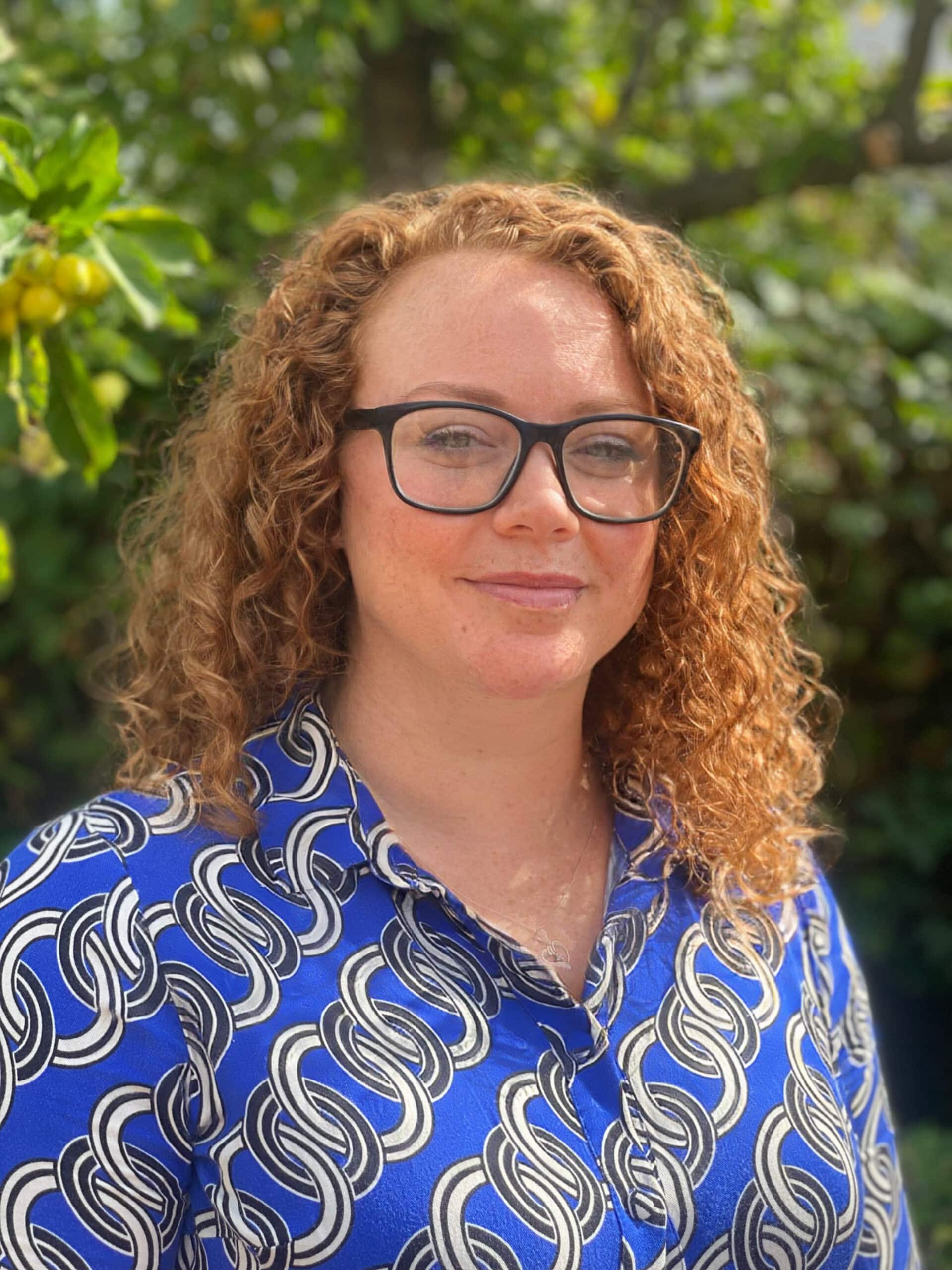
Director – SRA number: 494434
Lisa Buckridge is a Director at Purcell Solicitors and has over 20 years of experience in family law. She qualified in the early 2000s and became a director of the firm in October 2015. She holds accreditation as a Family Mediation Council-accredited Mediator, obtained in 2022, and is one of a small number of lawyer-mediators qualified to carry out Child Inclusive Mediation. She is also a trained collaborative lawyer and hybrid mediator.
Lisa handles the full range of family law matters, including divorce, financial settlements, children proceedings, pre- and post-nuptial agreements, and cohabitation disputes. Her referrals come principally from solicitors, including London-based practices, the local judiciary, and former clients, a pattern that reflects her standing in the field. She has worked on cases involving a terminal health diagnosis and cases in which the opposing party was a specialist family law barrister.
Chambers and Partners ranks Lisa in Band 3 for Family/Matrimonial in the Thames Valley in the UK Guide 2027. She is also ranked in Band 1 for her mediation practice in the Family/Matrimonial Mediators: Thames Valley category. Chambers describes her as “an excellent solicitor who robustly and effectively represents her clients’ interests” and as “incredibly clever” with the ability to “construct cases perfectly”.
Her reported cases include Re R (a child) EWCA Civ 35, in which the Court of Appeal held that a judge had erred by failing to properly evaluate a child’s wishes or to hear evidence from a CAFCASS officer before departing from that officer’s recommendation. She also acted in Scotching and Birch EWHC 844 (Ch), a case concerning burial arrangements and letters of administration following the death of a child; the case has since been cited in several academic papers and journal articles.
Lisa is a member of Resolution and is regulated by the Solicitors Regulation Authority (SRA number: 494434). She can be contacted at lisa@purcellsolicitors.co.uk.